Menu
      • Amphibians & Reptiles
      • Birds
      • Fish
      • Insects & Arachnids
      • Mammals
      • Molluscs
  • Nature
  • Science
  • Sustainability
  • Space
  • Dinosaurs
      • Which Animal Family Would You Belong To?
  • Experiences
  • Videos
  • Interactive
  • Our Blue Planet
  • Our Frozen Planet
  • Our Green Planet
  • Our Planet Earth
      • Animals
      • Nature
      • Science
      • Sustainability
      • Space
      • Dinosaurs
      • Quizzes
      • Experiences
      • Videos
      • Interactive
      • Our Blue Planet
      • Our Frozen Planet
      • Our Green Planet
      • Our Planet Earth
  • Shows
  • Kids
  • Shop
  • Get involved
  • Podcast
  • Sign up to Newsletter
ContactAbout BBC StudiosCareers
Sign up to the BBC Earth Newsletter
Follow BBC Earth

This is a commercial website from BBC Studios.

BBC is a trademark of the British Broadcasting Corporation. Logos © 1996.

Terms and conditionsPrivacy policyCookies policyCode of conductSitemap
Insects and Arachnids Banner Image
  1. Fact files
  2. /
  3. animals
  4. /
  5. Insects & Arachnids

Insects & Arachnids

They may not be everyone’s cup of tea, but insects and arachnids are a crucial part of our ecosystem. With six legs and eight legs respectively, these animals have to be resourceful to survive.
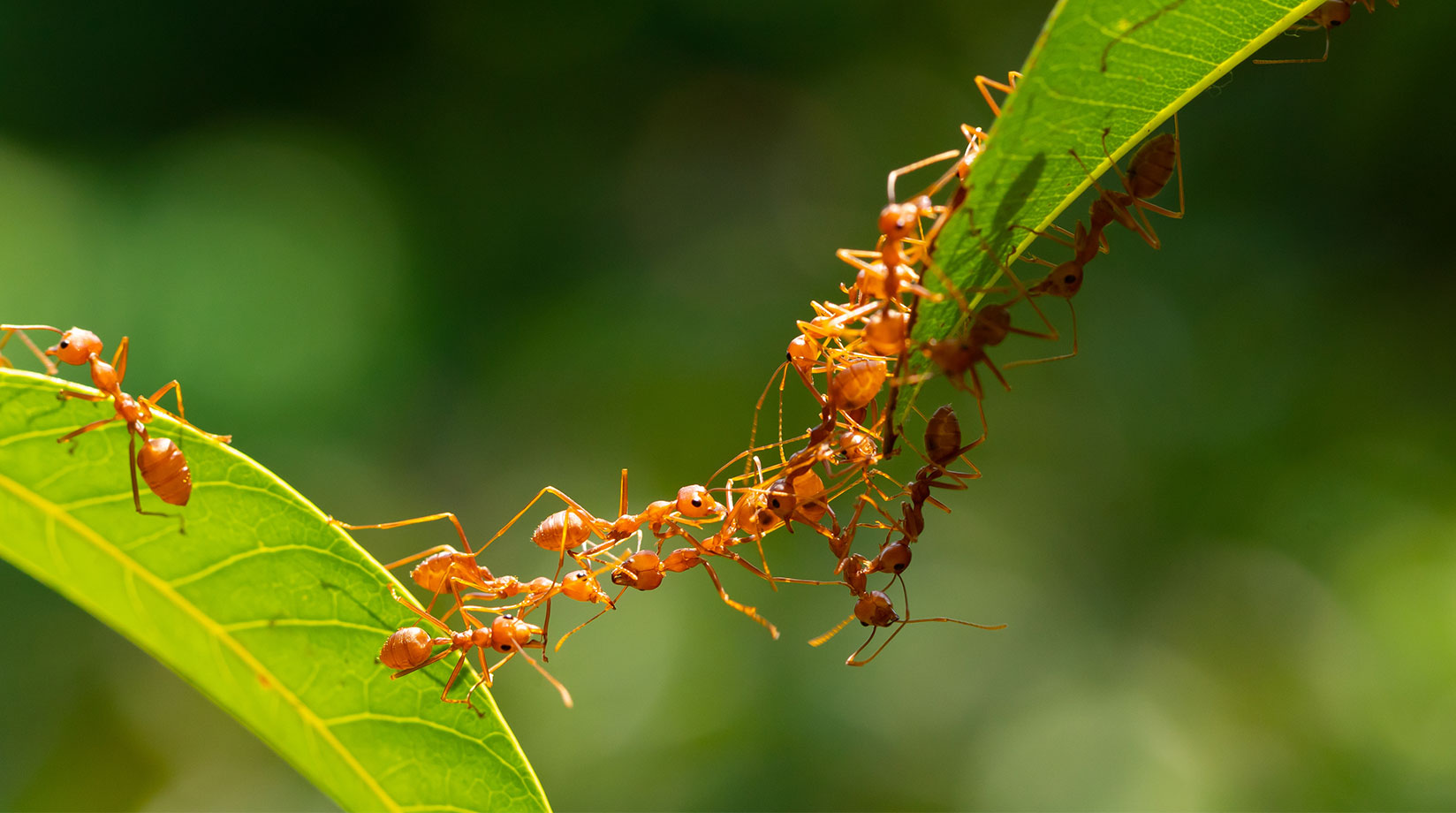
Ants working together to form a bridge
Least Concern

Formicidae

Ants

Despite their tiny size, ants have long intrigued scientists with their exceptional work ethic and resourcefulness, and their sophisticated social structures.

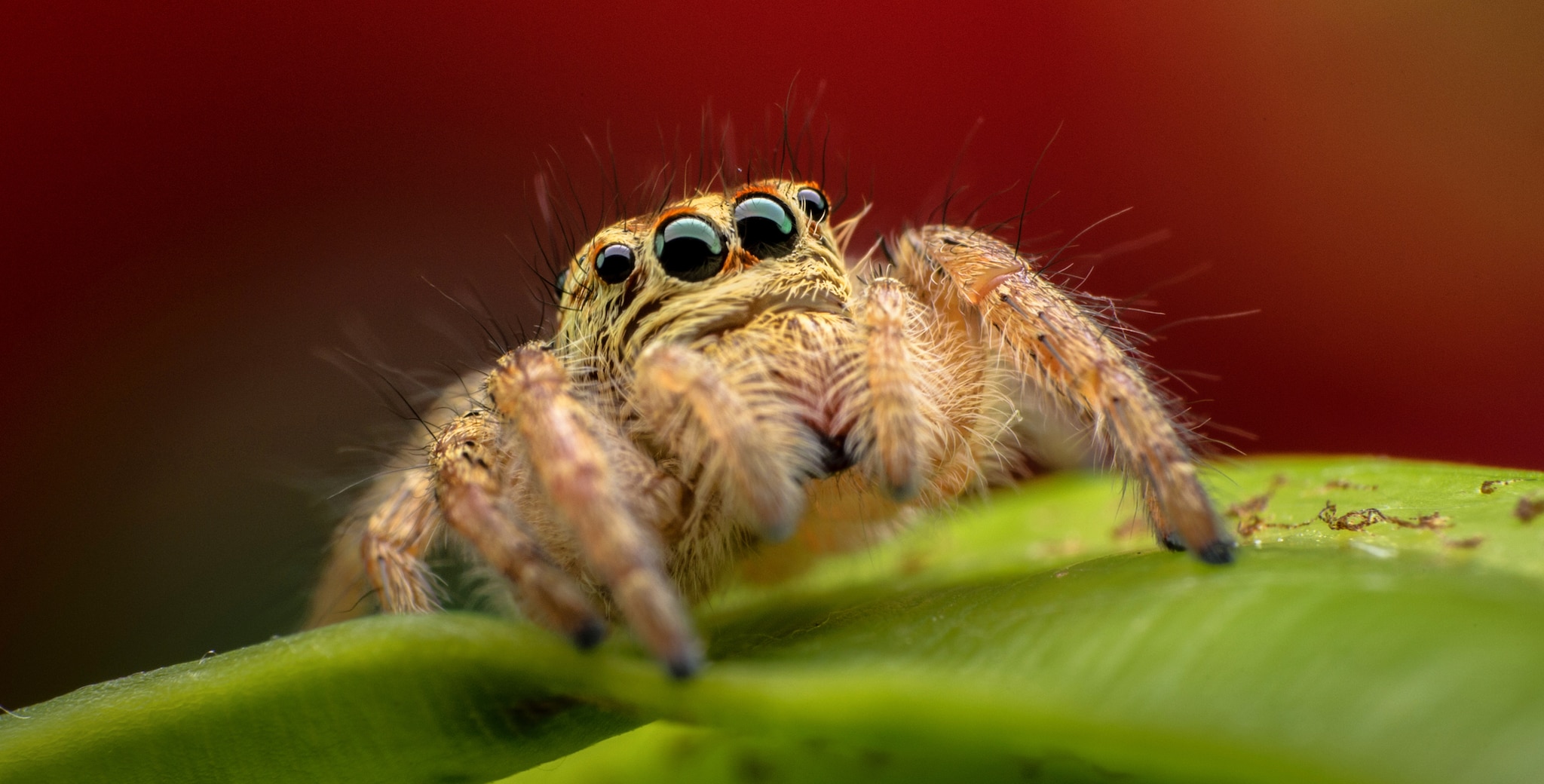
Image of a spider sitting on a green plant leaf
Least Concern

Araneae

Spider

Despite their creepy-crawly reputation, spiders are astoundingly diverse, ingeniously resourceful, and often surprisingly endearing.

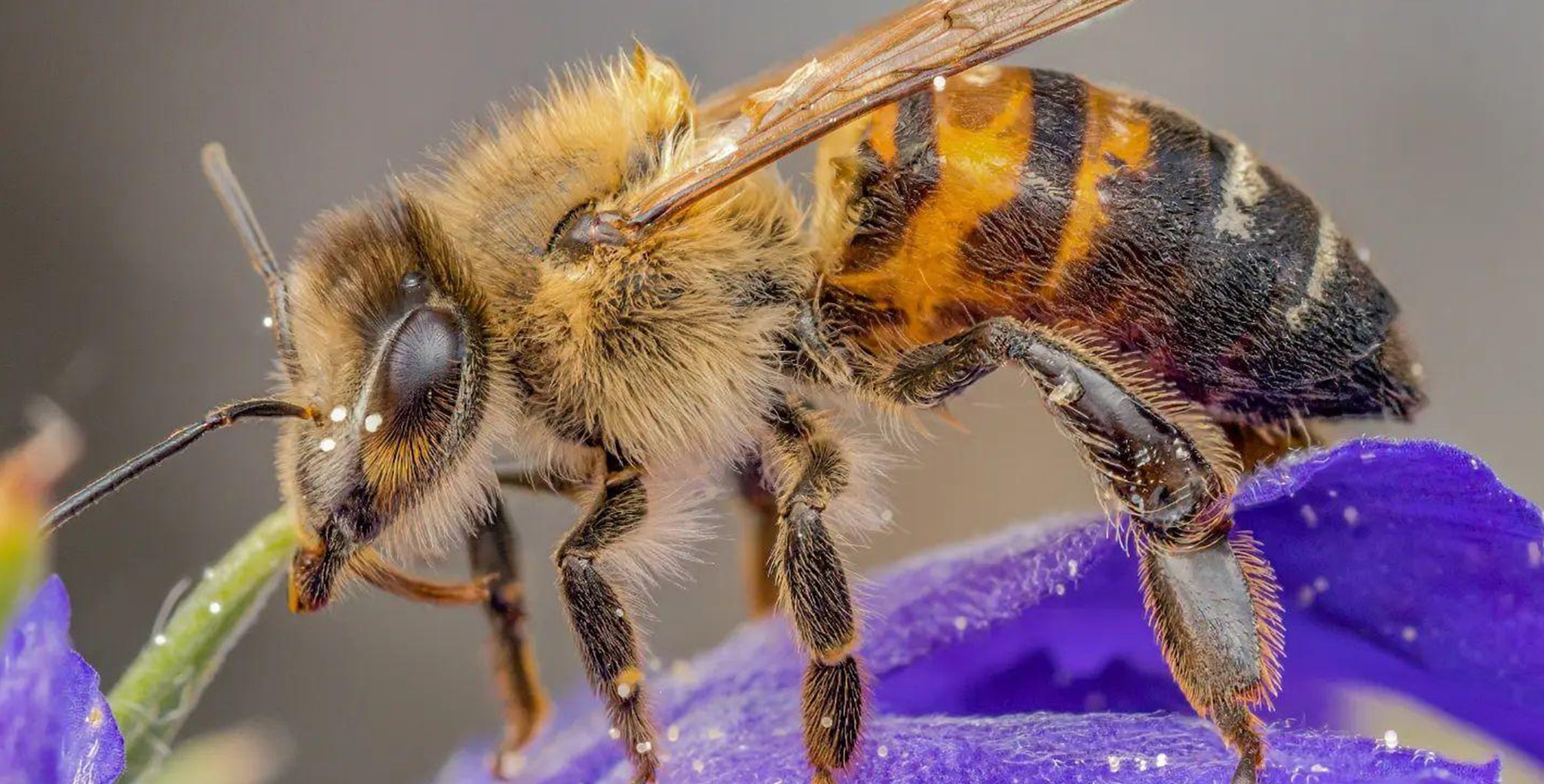
Image of a bee on a flower
Vulnerable

Anthophila

Bee

Honeybees and bumblebees are the iconic representatives of this busy and buzzy insect, but there are actually more than 20,000 different species of bee.

ADVERTISEMENT.
PAGE CONTINUES BELOW
Huntsman Spider on a green leaf
Least Concern

Sparassidae

Huntsman spider

Huntsman spiders are famous the world over for their distinctive appearance: long legs, flat bodies, and hairy backs make them some of the most recognisable and feared spiders. But they’re far less aggressive than their name suggests...

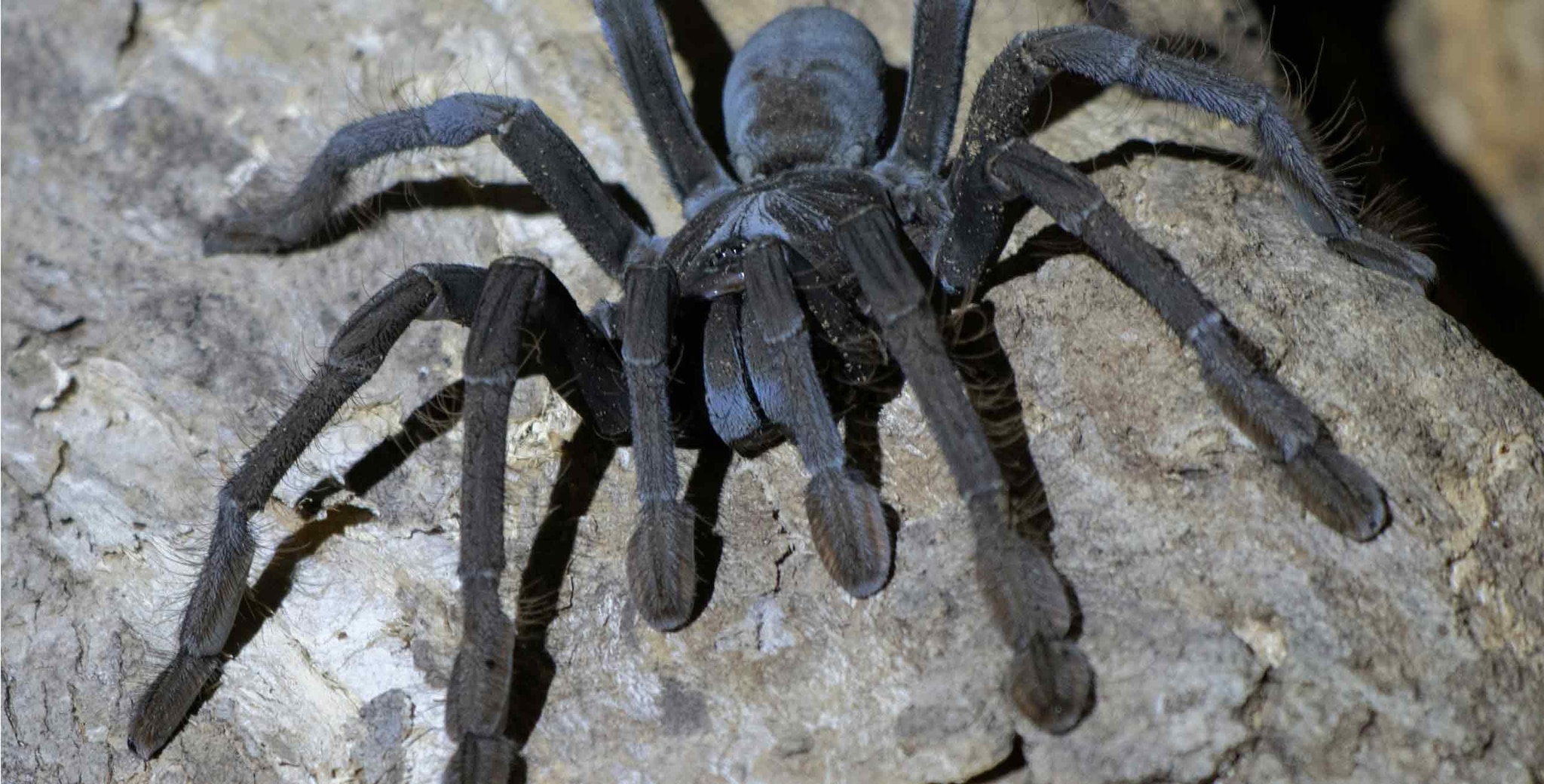
Large black tarantula
Least Concern

Theraphosidae

Tarantula

Known for their large, hairy appearance, tarantulas tend to evoke fear, yet they can also be docile and come in a surprising variety of shapes, colours and sizes.

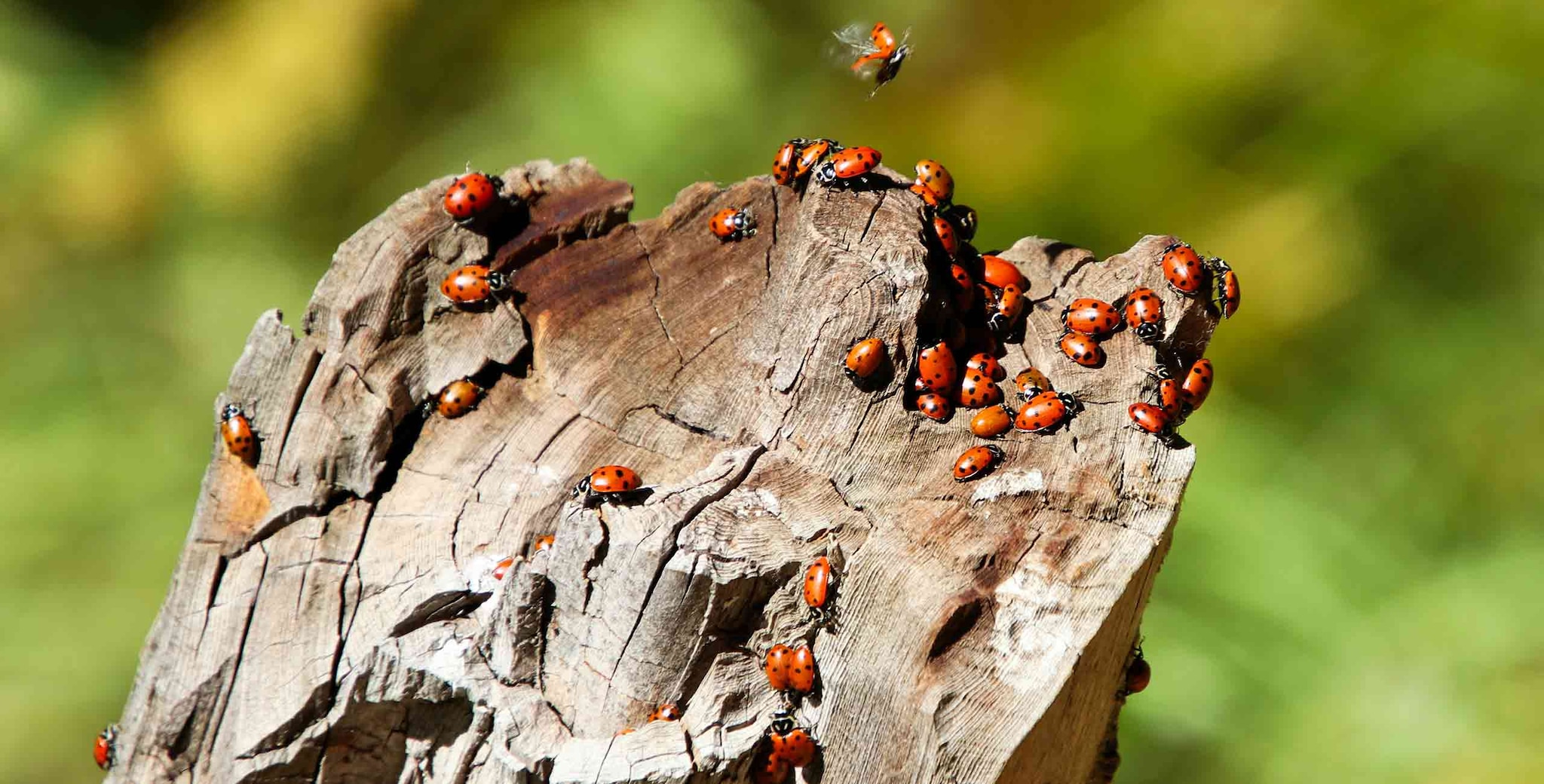
Cluster of ladybirds on a tree trunk
Least Concern

Coccinellidae

Ladybird

Ladybirds are known the world over for their iconic look: crimson, dome-like bodies perfectly speckled with black. But these beatles will surprise you. come in a dizzying variety of colours and patterns.

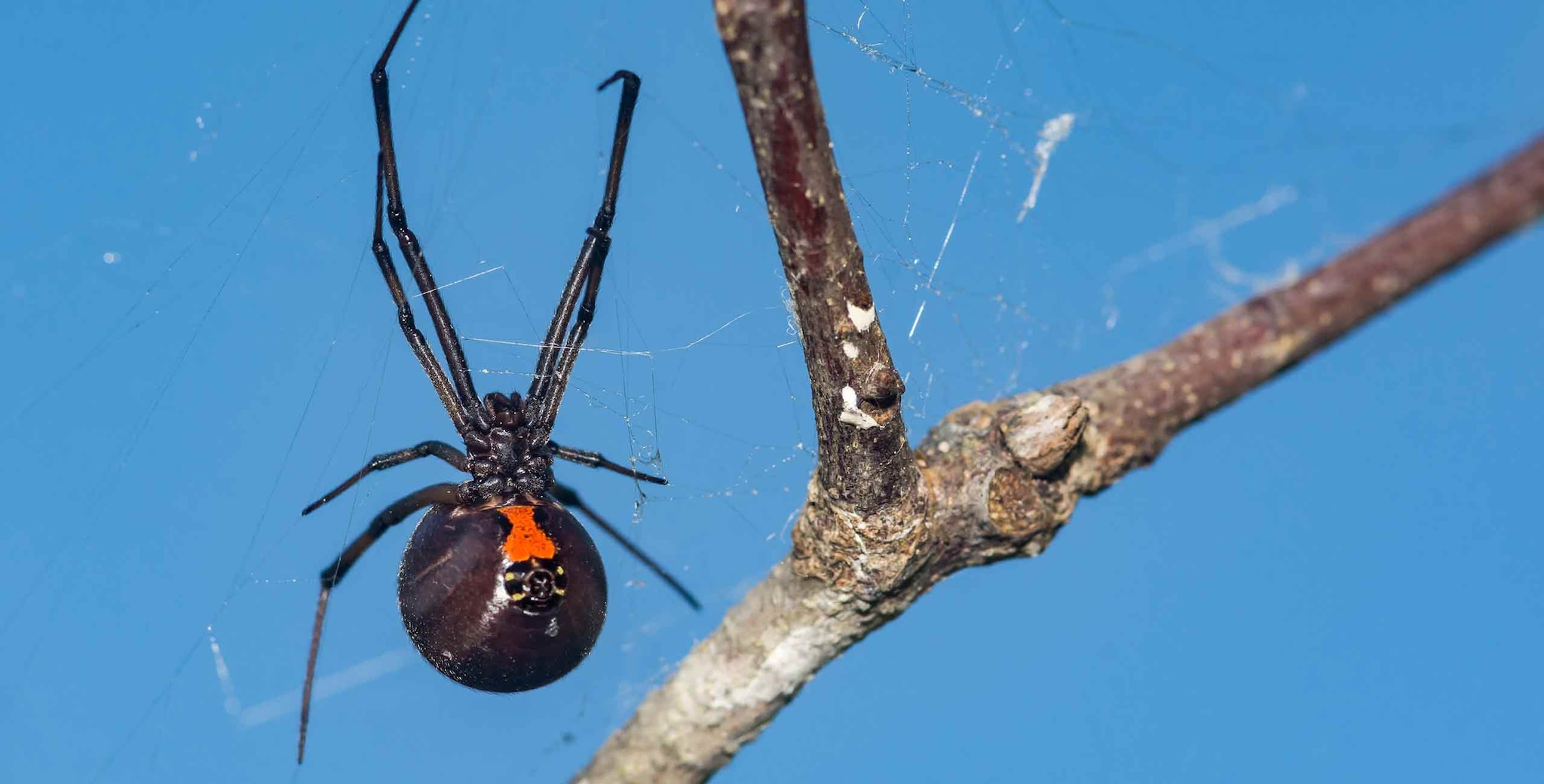
Black widow spider and web on tree branch close up
Data Deficient

Latrodectus

Black Widow

Black widow spiders have risen to fame for their penchant for eating their mate. While most widows are not to be messed with, there’s more to them than meets the eye.

A butterlfly, with blue wings that become black and spotted towards the end, flies towards a pink-flowered plant against a bright blue sky.
Least Concern

Rhopalocera

Butterfly

With their mesmerising, colourful wings and elegant flight, butterflies are some of the most beautiful insects on the planet. But don’t let their delicate looks fool you.

Banner images:

©️ Darkdiamond67 via Shutterstock

©️ Imithuru via Shutterstock

©️ Tacio Philip Sansonovski via Shutterstock

©️ Adriana Mehner via Instagram

©️ KRIACHKO OLEKSII via Shutterstock

©️ Korawee Ratchapakdee via Getty

©️ Martti Salmi via Unsplash

©️ Unknown via Shutterstock